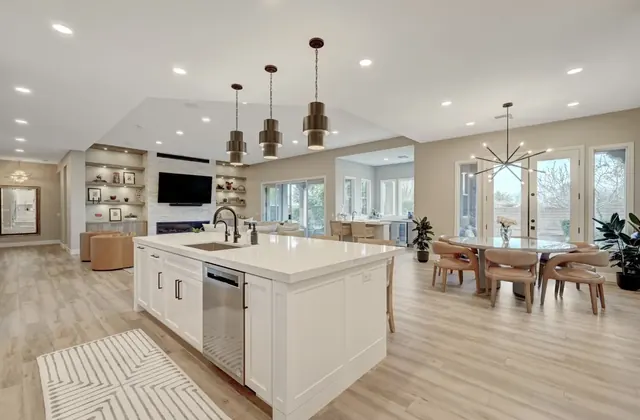
Some of the best homes in Las Vegas don't look like much in the listing photos. Great neighborhood, great lot, solid floor plan, and a kitchen that hasn't been touched in years. Many buyers pass on homes like these because they can't imagine paying for a remodel on top of a down payment. Renovation loans solve that problem by rolling the purchase and the remodel into one mortgage.
Todd Volf is both a licensed Realtor® and a licensed general contractor, and he has worked through these programs many times. Here is a plain-language overview of how they work.
The basic idea
A renovation loan is based on what the home will be worth after the work is done, not just what it is worth today. You buy the house and finance the planned improvements in a single loan with one closing. The renovation money is held after closing and paid to the contractor in stages as the work is completed and inspected.
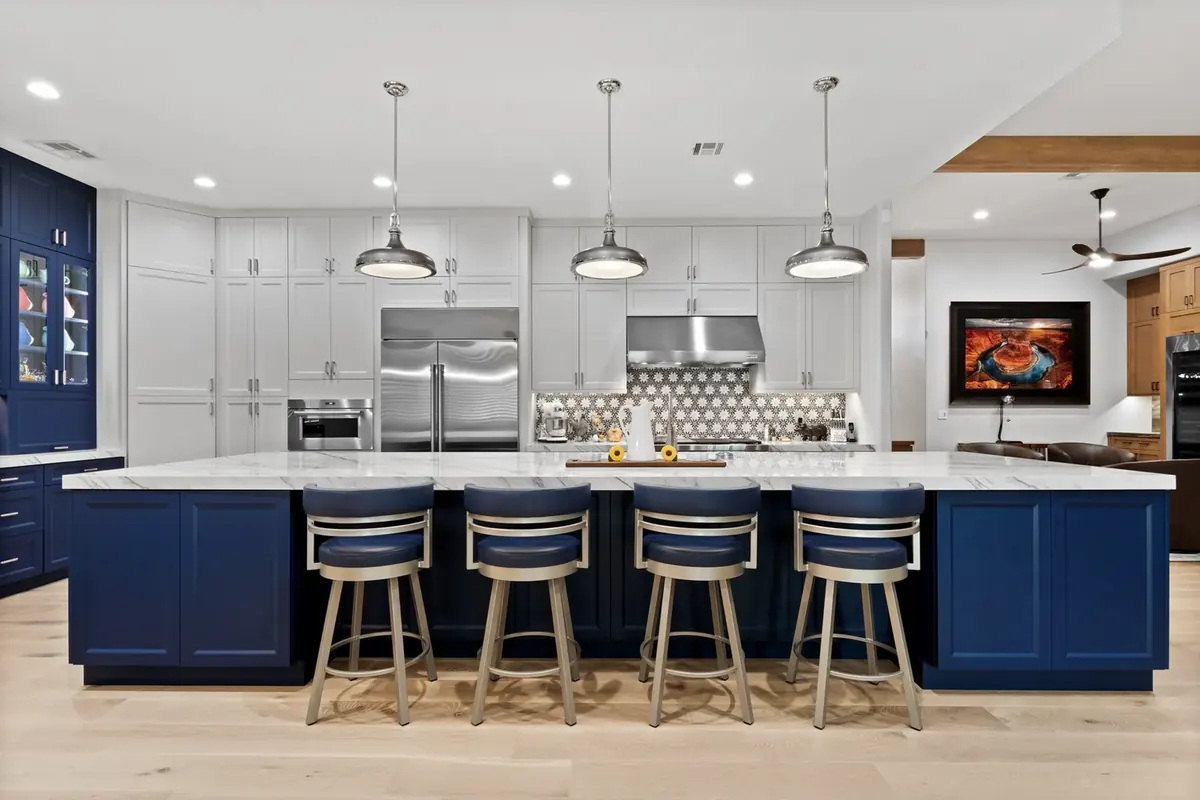
FHA 203(k)
The FHA 203(k) program is designed for owner-occupants, meaning you plan to live in the home. It comes in two versions:
- Standard 203(k) is for larger projects, including structural work, layout changes and major systems. It requires a HUD-approved consultant who helps define the scope and inspects the work as it progresses.
- Limited 203(k), formerly called 203(k) Streamline, is for smaller, non-structural projects like kitchens, baths, flooring and paint, up to a program limit. There is less paperwork and no consultant requirement.
Fannie Mae HomeStyle Renovation
HomeStyle is a conventional renovation loan. It is more flexible about the kind of property and the kind of improvements, and it can be used for a primary home, a second home or an investment property. It is often a good fit for buyers with stronger credit who want a broader remodel or upgrades that go beyond repairs.
Your lender will confirm which program fits your situation, along with current limits and requirements. Program rules change from time to time, so always check the current guidelines with your loan officer.
How the process works
- Get pre-approved with a lender who offers renovation loans. Not every lender does, and experience matters.
- Find the home. This is where having a Realtor who is also a contractor helps most. Todd can walk a property and tell you what it needs and what it could become.
- Get a detailed contractor bid. The lender and appraiser rely on a clear, itemized scope of work.
- Appraisal based on the finished home. The appraiser estimates the value after the planned improvements.
- Close on the purchase. Renovation funds are set aside at closing.
- Renovate in stages. The contractor is paid in draws as work is completed and inspected.
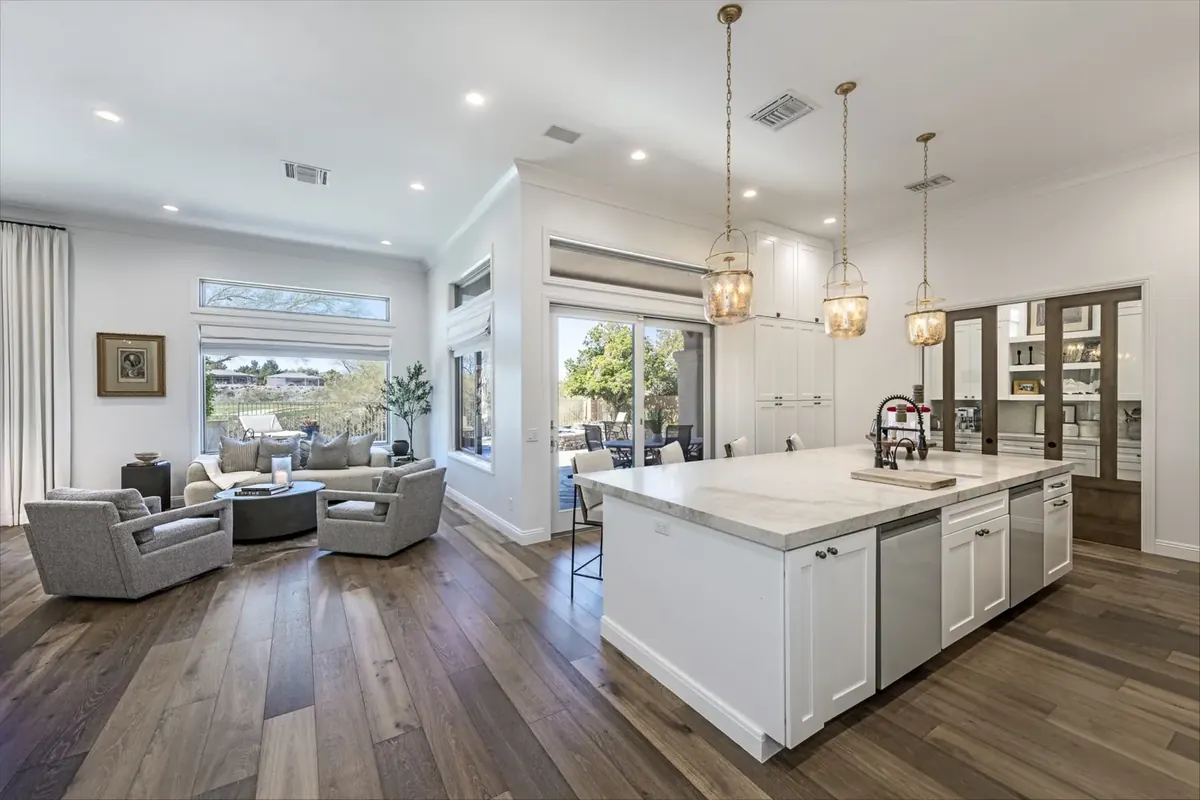
Why the contractor matters so much
Renovation loans live and die on paperwork and timelines. Lenders need bids in a specific format, change orders need approval, and draws are tied to inspections. A contractor who hasn't worked with these programs can slow everything down, or worse, put your closing at risk.
Because Todd works both sides, the bid, the scope and the purchase timeline are coordinated from the start. Buyer-requested and appraisal repairs can be scheduled quickly without delaying the close of escrow.
What drives the cost of a renovation loan project
Every project is different, and we don't publish price lists. The biggest factors are the scope of work, whether the project involves structural or layout changes, the finishes you choose, the condition of the home's major systems, and the requirements of the specific loan program. A clear scope up front is the best way to keep both the loan and the remodel on budget.
Thinking about buying a home that needs work?
Talk with Todd before you write an offer. He can help you see the house, the numbers and the remodel potential clearly, and connect the purchase and the renovation into one plan.